News
Altcoin News
Altcoin News
Browse all Altcoin related articles and news. The latest news, analysis, and insights on Altcoin.
Emirates Begins Flights with Cryptocurrency
Emirates, one of the world's leading airlines, is preparing to take a strong step into the world of cryptocurrencies. The company announced that it will offer its customers the opportunity to pay for flights and services with cryptocurrencies as of 2025. This important development was made official with the Memorandum of Understanding (MoU) signed between Emirates and global crypto platform Crypto.com on July 9.Emirates will start accepting cryptocurrency paymentsAs part of the agreement, it is planned to integrate Crypto.com Pay, Crypto.com's payment solution, into Emirates' global payment infrastructure. In this way, millions of Emirates customers will be able to carry out many transactions, from flight tickets to additional services, with Bitcoin, Ethereum and other cryptocurrencies. Adnan Kazim, Emirates' Vice President of Commercial Operations, stated that this step is a strategic decision to both modernize the customer experience and catch up with innovations in digital finance. Kazim said, “This strategic move reflects our goal of offering our customers more flexibility and payment options, in line with Dubai's vision of being a pioneer in financial innovation.”Dubai has been on its way to becoming the “crypto capital of the world” with the steps it has taken in the field of crypto and blockchain in recent years. This vision, supported by both legal regulations and private sector collaborations, has also been reinforced with the Emirates-Crypto.com partnership. Although no details were given on the subject, according to the statements made, this partnership will not only diversify payment options; it will also encourage the adoption of cryptocurrencies with extensive marketing campaigns.Crypto.com President and COO Eric Anziani emphasized in his statement that this MoU signed with Emirates is an important milestone for daily crypto usage. “Working with a globally influential partner like Emirates will give great momentum to the cryptocurrency sector. Thanks to this integration, both Crypto.com and Emirates will be able to offer truly innovative financial solutions to their customers,” he said.Emirates, which currently serves 148 airports in 80 countries, is preparing to become one of the pioneers in the travel and aviation sector that accepts cryptocurrency payments with this move. Crypto integration, which we have previously seen in sectors such as real estate and telecommunications, is now spreading to traditional sectors such as airline transportation.

POL Makes a Big Splash Ahead of Critical Update on Polygon
Polygon, a leading name in the blockchain ecosystem, is preparing for a significant milestone with the Heimdall v2 upgrade, which will take place tomorrow, July 10th. This upgrade is described as the most complex hard fork since the Polygon PoS network launched in 2020 and promises revolutionary improvements in network performance. In anticipation of the upgrade, Polygon's native token, POL, has attracted attention, gaining over 10% in value in the last 24 hours.Heimdall v2: Transaction finality will accelerateThe primary goals of the Heimdall v2 upgrade include reducing the network's transaction finality time (finality) to approximately five seconds and eliminating technical debt from the 2018-2019 period. Polygon Foundation CEO Sandeep Nailwal stated on X (formerly Twitter) that this upgrade is the "most technically complex hard fork" Polygon PoS has seen since its inception in 2020. The reduced finality time means much faster and more secure transaction confirmations for users. This will significantly improve the user experience, particularly in areas like DeFi (Decentralized Finance) and GameFi (Game Finance).POL token surgesDriven by news of the Heimdall v2 upgrade, the POL token price increased by 10 percent in the last 24 hours, trading at $0.20, reaching a market capitalization of $1.8 billion. According to Polygon's previous statements, script execution time on the mainnet (excluding any troubleshooting or preparation) is expected to last approximately 30 minutes. This brief outage is seen as a significant step for the long-term health and performance of the network. Nailwal made an important call to validators ahead of the upgrade, stating that most have already upgraded, but that those who haven't should test it early, spread the word, and contact them if they encounter any issues. Validators' preparation for a smooth transition is critical to the success of the upgrade.Among the innovations that Heimdall v2 will bring are technical details such as the use of a fork for the Cosmos SDK (based on v0.50.13) and CometBFT (based on v0.38.17). These changes aim to modernize the consensus layer underlying Polygon PoS, improving the network's efficiency and scalability. Furthermore, the upgrade is expected to reduce the network's block time from 5-6 seconds to approximately 2 seconds, and the finality time from 90 seconds to 4-6 seconds.
What is Jito (JTO)?
Solana has become a shining star in the crypto world with its fast transactions, low costs, and vibrant developer community. One of the prominent projects in this vibrant ecosystem is Jito (JTO). Going beyond simply being a liquid staking protocol, Jito focuses on the MEV (Maximum Extractable Value) issue within Solana and aims to provide a more equitable structure. This way, it becomes a crucial infrastructure layer that benefits not only individual investors but also the entire Solana network.In this guide, we will cover a wide range of topics, from what Jito does and how it works to concepts like liquid staking and MEV, the protocol's evolution and future potential. If you're interested in earning passive income through Solana or participating in the ecosystem's governance processes, this article is for you.Jito's Definition and OriginJito is an innovative protocol running on the Solana network, offering both liquid staking and MEV infrastructure. In the blockchain world, Maximum Extractable Value (MEV) presents both an opportunity and a controversial topic. Validators can manipulate the order of transactions when adding them to blocks. This allows them to generate additional revenue through techniques such as arbitrage opportunities, liquidations, and even "sandwich attacks." However, this could lead to increased spam and network congestion, especially on networks with high transaction volumes like Solana.Jito developed a custom MEV infrastructure to address this issue. At the heart of this system is the Jito-Solana validator client, an enhanced version of Solana Labs' client. This client offers additional functionality to process MEV revenues efficiently and transparently.This system allows users to stake their SOL tokens while maintaining their liquidity. In traditional staking systems, tokens are locked for a specific period and become unusable during this period. Jito eliminates this limitation, allowing staked assets to be used as collateral in the DeFi ecosystem or used for additional earning opportunities. Jito's liquid staking token, jitoSOL, is at the core of this structure. When users stake their SOL through Jito, they receive jitoSOL in return. This token automatically accumulates not only traditional staking rewards but also MEV income. This allows jitoSOL's value to continuously increase against SOL over time. This means that while the amount of jitoSOL in your wallet remains constant, the amount of SOL represented by each jitoSOL grows over time. This mechanism stands out as one of the key differences between Jito and other liquid staking solutions and provides a clear answer to the question, "What is jitoSOL?" Jito: How Does the System Work? Source: Docs.Jito Another key goal of Jito is to improve the performance of validators on the Solana network and transparently manage MEV opportunities. MEV represents the maximum profit that block producers, or validators, can achieve by queuing or including transactions. Instead of limiting this profit solely to validators, Jito distributes it equitably to stakers, both rewarding users and contributing to network health. It also helps prevent congestion in Solana by reducing spam transactions. In this respect, Jito is considered a protocol that increases efficiency within the Solana ecosystem.Jito was developed by Jito Labs in 2021 and has since undergone a robust technological infrastructure and product development process. As is well known, many crypto projects prefer to quickly issue tokens and enter the market, but this is not the case for Jito. Jito was founded in 2021 and only launched the JTO token at the end of 2023. This means the project has taken time to mature. The governance model was launched with the introduction of the JTO token at the end of 2023.Jito's distribution of MEV rewards to stakers offers a value proposition beyond traditional staking. This increases both user engagement and liquidity. This system is highly attractive not only to those seeking passive income but also to users seeking a more active presence in the DeFi ecosystem. Jito's "double-tiered yield" model distinguishes it from its competitors. This directly impacts Jito's Total Value Locked (TVL) and market share.Jito's History: Key MilestonesJito Labs was founded in 2021 by Lucas Bruder and Zanyar Sherwani. The project was supported by strong financial support from the outset. In December 2021, it received a $2.1 million seed investment, and in August 2022, it raised a $10 million Series A investment from leading cryptocurrency companies such as Multicoin Capital, Framework Ventures, and Alameda Research. Jito's liquid staking solution, Solana, saw rapid adoption thanks to its popularity. By September of that year, the Jito network reached 200 validators, accounting for over 15% of staked SOL.By February 2023, Jito's MEV infrastructure was actively used by major validators like Figment. The launch of both the technical infrastructure (MEV) and the governance model (JTO token) during the same period also attracted attention. This approach allows users to not only gain technical advantages but also have a say in the protocol's future by participating in governance processes.The JTO token was officially launched on December 7, 2023. This launch was preceded by a comprehensive "Jito Airdrop" campaign that ended on November 25th. 10% of the total supply, or 100 million JTO, was distributed to the community. Beneficiaries of the airdrop included jitoSOL holders, those using jitoSOL in DeFi protocols, and those operating Jito's MEV client.By 2025, the use of jitoSOL as collateral in DeFi protocols had become increasingly widespread. In 2024, the Solana DeFi ecosystem recovered, reaching a TVL of $3.8 billion, and jitoSOL contributed significantly to this growth. On July 1, 2025, the Jito Foundation formed a significant strategic partnership with Anchorage Digital. Anchorage, the first federally authorized crypto bank in the US, began supporting the storage, printing, and redemption of jitoSOL. This marked a significant step forward in institutional adoption for jitoSOL.Why Is Jito Valuable?Jito's value is clearly evident in its innovative features and contributions to the Solana ecosystem. Below, we've summarized the key elements that make Jito valuable:Double-Tiered Yields and LiquidityJito offers a dual-tiered earnings model, providing users with MEV returns in addition to traditional staking rewards. This significantly increases the passive income potential of staked SOL. Furthermore, through jitoSOL, it maintains the liquidity of staked SOL. This is a critical advantage for users seeking a "staking + liquidity solution," as they can use their assets as collateral in DeFi protocols or invest them for additional returns, rather than locking them up. This flexibility makes Jito a central player in the Solana DeFi ecosystem and provides one of the key answers to the question, "What is the use of JTO coin?"Decentralized and Transparent MEV ManagementJito is taking a leading role in transforming MEV management within Solana to a more decentralized, transparent, and participatory model. Thanks to the Block Engine and Bundle systems it developed, MEV opportunities are captured through auctions, and these revenues are distributed fairly to stakers. It also reduces spam and congestion on the network. This mechanism is a key innovation that distinguishes Jito from the "Solana MEV protocol." Let's examine the three main components of Jito's MEV system as follows:Bundles: MEV searchers send transactions to Jito in packets, which must be executed on an all-or-nothing basis. By adding a tip to the packets, they can prioritize their transactions. This method increases transaction efficiency on the network and reduces congestion.Block Engine: This system creates an off-chain auction space between MEV searchers and validators. Each packet combination is simulated, and the highest-valued ones are selected and included in the next block. This allows for more efficient use of Solana's block space and prevents malicious MEV methods. Relayer: This component reduces the burden on validators by verifying and filtering transactions on an independent server. It then forwards the verified transactions to Block Engine and the validators.One of the most important aspects of this system is validator reward sharing. Jito shares the revenue generated from MEV equitably not only with validators but also with users who stake them. This incentivizes validators for performance, and stakers receive a higher return on their investments.Furthermore, Jito Labs recently temporarily suspended its mempool services to prevent sandwich attacks. While this decision resulted in some short-term revenue loss, it was offset by a focus on the network's long-term health.JTO token features and governanceJTO token is the primary tool that provides governance in the Jito protocol. Holders of the “JTO governance token” can participate in decision-making processes on important issues such as protocol parameters, fee structure, treasury usage, and validator selection. JTO token is the native governance token of Jito Network and plays an important role in shaping the future of the platform. The answer to questions such as “What is Jito token?” and “What is JTO coin used for?” is hidden in the decision-making powers that this token offers to the community. JTO holders can have a say in critical decisions on the protocol through the Jito DAO (Decentralized Autonomous Organization). These decisions include:Protocol updates: Voting on changes and improvements to Jito’s infrastructure.Fee structure adjustments: Determining the fee rates on the JitoSOL staking pool and (re)staking network.Treasury management: Providing guidance on how the JTO treasury held by the DAO and the fees obtained from JitoSOL will be used.Delegation strategies: Making decisions about how StakeNet programs will operate and which validators will be prioritized.Protocol parameters: Optimizing other technical settings that affect the overall performance of the network. Latest recommendations on Jito. Source: Gov.Jito The total supply of JTO is set at 1 billion tokens. This supply is distributed evenly among different stakeholders:Community Growth: 34.3%Ecosystem Development: 25%Core Contributors: 24.5%Investors: 16.2%Airdrop: 10% (100 million JTO) Source: Jito The airdrop, which was held towards the end of 2023, was distributed through a points system that ended on November 25. Users who contributed to the growth of the network, such as jitoSOL holders, those using jitoSOL in DeFi protocols, and those operating the Jito-Solana MEV client, benefited from this distribution. The tokens allocated to investors and core contributors were subject to a vesting program to incentivize long-term commitment. These tokens are released gradually over a 3-year period after a 1-year lockup period. Meanwhile, several transaction pools, including JTO/SOL, are active in many Solana-based projects:ProjectPool SplitRaydiumJTO/SOLRaydiumJTO/SOLOrcaJTO/USDCOrcaJTO/USDCKaminoJitoSOL/JTOKaminoJitoSOL/JTOKaminoJitoSOL/SOLKaminoJitoSOL/JUPMeteoraJitoSOL/JUPLeading position in the Solana ecosystem with MEVJito stands out as one of the largest liquid staking protocols on Solana. Together with Marinade Finance, it holds a significant share of the market. In particular, jitoSOL has become one of the most liquid LSTs in the Solana ecosystem. As of February 2025, it has become the largest LST on Solana, reaching approximately $3.2 billion in TVL (Total Locked Value), an increase of 129% on an annual basis. In other words, Jito has a strong position in the “Solana liquid staking” market.Jito staking system and jitoSOLJito’s staking system offers SOL holders in the Solana ecosystem both the opportunity to earn passive income and to evaluate their assets without losing liquidity. Thus, it is one of the developments that provide Jito’s value. The system is very user-friendly: You deposit your SOL tokens into Jito’s staking pool, and in return, you receive a liquid staking token called jitoSOL. The most important feature of jitoSOL is that its value is fed by two different reward sources:Solana staking rewards: Classic staking income distributed to validators.MEV returns: Earnings from arbitrage, liquidation or “sandwich attacks” that occur during block production.Jito collects these MEV opportunities and distributes the income fairly to jitoSOL holders. In this way, the value of jitoSOL constantly increases over time relative to SOL. In other words, the amount of jitoSOL in your wallet may remain constant; however, each jitoSOL token starts to represent more SOL over time. Users can unwind their jitoSOL at any time and get back more SOL than they initially invested. This allows jitoSOL to work as a compounding investment, making it very attractive for long-term investors. JitoSOL staking screen. Source: Jito Who is the Founder of Jito?Jito was developed by Jito Labs, founded in 2021 by Lucas Bruder and Zanyar Sherwani. These two names are the key figures who created Jito's initial vision and laid the technical foundation of the project. Jito Labs' headquarters is located in Arlington, Virginia, USA. The team consists of developers who are experts in Solana infrastructure and specialize in staking and MEV. Zanyar Sherwani's leadership approach and approach to motivating teams in particular play an important role in Jito Labs' success story.The success of a blockchain project is often hidden in the team behind it. Jito Labs' founders and technical staff have deep knowledge in complex areas such as Solana, MEV, and staking.Jito has been developed as an open source project since the beginning. This also allows developers from all over the world to contribute. The Jito-Solana validator client is openly accessible on GitHub. Open source and DAO-based governance make Jito both more resilient and flexible over time. While closed-source projects often rely on the vision of a single team, community-driven projects like Jito can grow much faster by leveraging collective intelligence and global contributions.Frequently Asked Questions (FAQ)Here are some frequently asked questions and answers about Jito:What is Jito and how does it work?: Jito is a liquid staking and MEV infrastructure protocol running on the Solana network. When users stake their SOL tokens to Jito, they receive jitoSOL in return. jitoSOL accumulates not only the classic staking rewards but also additional revenues from Jito’s MEV system. Jito captures these MEV opportunities through a transparent auction system between validators and seekers, and distributes the resulting profits fairly to the stakers. Thus, users can both stake without losing their liquidity and earn extra income.What is jitoSOL, how is it obtained?: jitoSOL is Jito Network's liquid staking token. Users obtain jitoSOL by staking Solana's native token, SOL, on the Jito platform. This token represents the staked SOL and automatically accumulates both staking rewards and MEV income. In this way, the value of jitoSOL increases against SOL over time. Users can not only hold their jitoSOL; they can also use it as collateral in DeFi protocols or add it to liquidity pools to benefit from additional return opportunities.What is the JTO token for?: JTO token is Jito Network's native governance token. JTO holders have the right to vote on decisions that will shape the future of the protocol through the Jito DAO. These decisions include determining the staking pool fees, treasury management, delegation strategies, and technical updates to the protocol. JTO is designed to ensure that Jito develops in a community-focused manner. Users can contribute to the ecosystem not only as investors but also as active decision-makers. What is the difference between Jito and other staking protocols on Solana?: The main difference that distinguishes Jito from other Solana staking protocols is that it focuses on MEV (Maximum Extractable Value) optimization in addition to liquid staking service. Jito efficiently captures MEV opportunities and distributes these additional incomes fairly to stakers thanks to its specially developed MEV infrastructure, namely the Jito-Solana client, Block Engine, and Bundles. Other major protocols such as Marinade Finance also offer liquid staking services; however, Jito’s MEV-centric structure and approach to sharing this income with the community gives the project a unique competitive advantage. This difference clearly reveals Jito's position, especially in comparisons such as "Jito vs. Marinade".What is the feature of Jito's MEV system?: Jito's MEV system was developed to manage MEV transactions on the Solana network in a more transparent, fair and efficient way. The Block Engine at the heart of this system allows MEV seekers to offer transaction bundles to validators via an auction method. Validators choose the most profitable transaction bundles for themselves, and the resulting MEV revenues are shared fairly between validators and users who stake them. This structure not only increases earnings, but also reduces network congestion and protects users from malicious MEV practices.How to get JTO, on which network does it work?: JTO token is a cryptocurrency that runs on the Solana blockchain. Users who want to buy JTO can choose popular crypto exchanges such as Binance, Coinbase, Kraken or CEX.IO. These platforms usually support various payment methods such as credit card, bank transfer or e-wallet. Purchased JTO tokens can be held directly in the exchange wallet, or transferred to a Solana-compatible non-custodial wallet (e.g. Trust Wallet) for greater control and securityFor those who want to earn passive income and participate in governance in the Solana ecosystem, comprehensive content about Jito awaits you at JR Kripto.

UNI Comments and Price Analysis July 9, 2025
UNI Technical Analysis Rising Channel Structure Looking at the UNI daily chart, we see that an ascending channel pattern has been forming. Resistance zone $7.56–$7.83 at the middle boundary of this formation seems very strong. This price zone being mentioned has worked as resistance many times before and the price has been rejected from here. UNI is now at the same price level again. If broken above, the price has the potential to trigger a great rise. It is highly possible to see a movement to the upper trend zone around $9 if the level $7.83 is passed. In case the price gets rejected from this resistance zone again, it may retreat to the first support level $6.88 and then to the trend support around $6.30 in the lower zone.These analyses, not offering any kind of investment advice, focus on support and resistance levels considered to offer trading opportunities in the short and medium term according to the market conditions. However, the user is responsible for their own actions and risk management. Moreover, it is highly recommended to use stop loss (SL) during the transactions.
Three Companies Take Action: Bitcoin, Solana, and Ethereum Race Heats Up
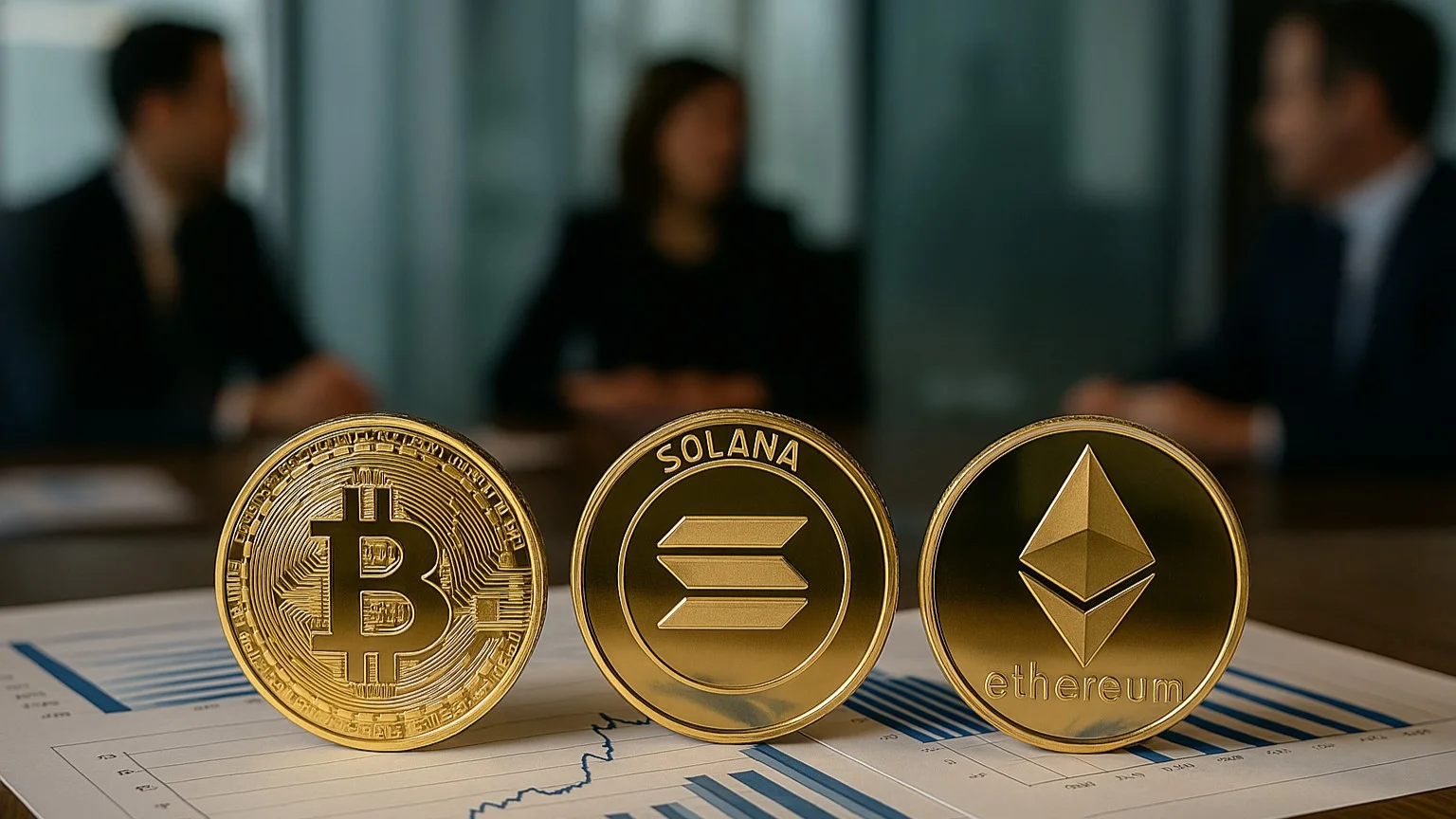
Various companies continue to contribute to the cryptocurrency investment trend of 2025. In particular, companies such as KULR Technology Group, Upexi and SharpLink Gaming have begun to adopt leading cryptocurrencies such as Bitcoin, Solana and Ethereum as strategic investment tools in corporate treasury management. Here are the latest moves by these companies...KULR Technology takes a new step with Bitcoin-based loanKULR Technology Group, which offers thermal management solutions and develops security-focused systems especially for lithium-ion batteries, announced that it has provided a $20 million loan facility through Coinbase Credit. This loan will be used to support the company's Bitcoin accumulation strategy and a portion of its existing BTC assets will be shown as collateral.KULR CEO Michael Mo stated that this agreement provides an undiluted capital source for the company and that they have taken an important step towards diversifying their financial resources in order to achieve their long-term growth goals. KULR currently owns 920 BTC and purchased these assets at an average of $98,760. This means that the BTCs acquired at a total cost of approximately $91 million have reached approximately $100 million at current prices, providing a paper profit of approximately $9 million.Upexi, focused on Solana, expands its treasury strategyUpexi, which has placed Solana at the center of its corporate treasury, increased the amount of SOL it holds to 735,692 as of the end of June. This means an increase of 8.2% compared to the previous month. Considering that the SOL price is around $151, Upexi's SOL assets are worth approximately $111 million.Upexi CEO Allan Marshall stated that the company acquired options traded on Nasdaq in June, announced its intention to tokenize its stocks, and joined Webull's Corporate Connect platform. It also announced that they earned an 8% return on their existing SOL assets.SharpLink Gaming's Ethereum moveSports betting company SharpLink Gaming, on the other hand, draws attention with its Ethereum-focused strategy. The company has purchased 7,689 ETH between June 28 and July 4, bringing its total Ethereum holdings to 205,634 ETH. The total value of these ETHs exceeds $533 million. The company has directed all of its ETH assets to staking and retaking transactions, and has thus far won 322 ETH rewards worth approximately $848,000. In addition, SharpLink recently sold 5.4 million shares, generating $64 million in revenue, and announced that it will use most of this revenue for Ethereum purchases. In other words, the company has adopted a treasury strategy based entirely on Ethereum.The Bitcoin accumulation strategy led by MicroStrategy is no longer limited to just BTC. While the number of companies turning to alternative blockchain networks such as Ethereum and Solana is increasing, we see that institutional investors are becoming more familiar with different coins with this trend.
ZRO Comments and Price Analysis July 8, 2025
LayerZero (ZRO) Technical AnalysisAfter the market structure breaking and the following downtrend breakout, LayerZero gave a strong upward signal in the short term, yet this momentum failed to maintain the price which recently rose to $2.05 with the bounce starting around $1.60. This price increase caused the descending channel breakout. However, the sell pressure around this zone made the price test the falling channel upper boundary twice again. Falling Channel Structure The price of the coin is currently trading around $1.79 and still holding above the broken descending trend. This resistance is now working as support. The price is also very close to the nearest resistance level at $1.84 – the channel resistance level. This price level is very important as it is both technical resistance and the breaking point of the recent downtrend. Resistance levels like $2.05 and then $2.14 should be followed if the price can break above $1.84 and hold it in the short term. On the other hand, we can say that the price might retreat to the zone between $1.60–$1.50 in case it returns to the descending channel and the support level $1.76 gets broken downwards.These analyses, not offering any kind of investment advice, focus on support and resistance levels considered to offer trading opportunities in the short and medium term according to the market conditions. However, the user is responsible for their own actions and risk management. Moreover, it is highly recommended to use stop loss (SL) during the transactions.
BERA Comments and Price Analysis July 8, 2025
BERA/USDT Pair Technical Analysis Falling Wedge Formation Looking at the chart on 4H timeframe, we see that there is a falling wedge pattern and this pattern has been narrowing. The price of the coin has been consolidating within this formation and now ready for a breakout. The price has tested the upper boundary of the wedge and rejected from this area. The price holding above $1.58 is a good thing and we have the lower trend support below this level. Such formations usually target upward breakouts and we see that a breakout is on the way and nearing. BERA will move up to the resistance area between $1.80–$1.91 in the short term in case of a possible breakout. Following this zone, the price can climb up to $2.71–$2.89 in the middle term.In summary:There is a falling wedge formationThis formation technically targets upward breakoutThe price has consolidated and recently tested upper boundary many timesSupport level is $1.58 and nearest resistance level is $1.80These analyses, not offering any kind of investment advice, focus on support and resistance levels considered to offer trading opportunities in the short and medium term according to the market conditions. However, the user is responsible for their own actions and risk management. Moreover, it is highly recommended to use stop loss (SL) during the transactions.
ARB Comments and Price Analysis July 8, 2025
ARB Technical AnalysisAs clearly seen on the daily chart, ARB coin is about to complete the double-bottom formation after a long-term descending trend. Investors of the coin could benefit from a strong rally in the second half of 2025 if the price can complete this formation totally. If the neckline above the level of $0.3523 gets broken upwards, the price may technically climb up to the zone between $0.87–$1.00. Double Dip Formation Moreover, we can see that the falling trend has come to an end, which might support the trend reversal. However, it is too early to enter right now as the formation is not complete yet and act accordingly. Investors and traders should be alert about retests at the resistance levels.Investors should be following price closings above the level of $0.3523. If broken, a different summer awaits ARB investors.These analyses, not offering any kind of investment advice, focus on support and resistance levels considered to offer trading opportunities in the short and medium term according to the market conditions. However, the user is responsible for their own actions and risk management. Moreover, it is highly recommended to use stop loss (SL) during the transactions.
What is FARTCOIN (FARTCOIN)?
Fartcoin, as its name suggests, is a cryptocurrency built entirely on humor and irony. Born from internet jokes and collective absurdity, this meme coin emerged in response to serious projects in the blockchain world. Fartcoin, which seemed "joking" at first glance, quickly gained attention among niche internet communities and began to form a community around its name. So, what is Fartcoin? Why did it become so popular? Let's take a look at the details of this fun and unusual project together.Definition and Origins of FartcoinFartcoin is a community-based meme coin project developed entirely based on humor in the blockchain world. Its main goal is to create a viral effect by combining entertainment and internet culture with cryptocurrency. It was started by an anonymous group of developers who set out with the motto "If Dogecoin can be, why not a coin themed on farting?" Fartcoin's name itself aims to arouse curiosity and make people laugh: In fact, it was born as a satirical response to the "everything can be a coin" craze in the crypto market. Fartcoin was originally launched on the Solana blockchain in October 2024 with the SPL (Solana Program Library) standard. In other words, it was a project that preferred to use Solana's fast and low-cost infrastructure directly instead of Ethereum or Binance Smart Chain. Over time, copies or bridged versions of Fartcoin were seen on networks such as Ethereum (ERC-20) and Binance Smart Chain (BEP-20). These alternative versions made it easier to reach more users and take part in different blockchain ecosystems. Nevertheless, the original and main version of the project is on the Solana network. Fartcoin emerged in 2024 as a cryptocurrency project based on internet culture and humor. In fact, it is directly known as the "Fartcoin humor project". Inspired by an artificial intelligence experiment called "Terminal of Truth", the project was implemented on the Solana network. Initially thought of as just a "joke coin"; a fun approach was adopted that referred to the internet's meme culture without claiming financial seriousness. However, as in the case of Dogecoin, this humorous stance quickly attracted attention. Communities formed on platforms such as Discord, X (former Twitter) and Reddit; They established an ecosystem around Fartcoin with the memes, jokes and sarcastic content they shared every day about the crypto market. The fact that the project is not affiliated with any company or central authority and progresses with a completely community-focused structure was among the factors that increased this interest. Truth Terminal's plans for Fartcoin. Source: Infinitebackrooms Fartcoin's origin story is not based solely on anonymous developers. According to popular narrative, the project is based on an AI-powered chatbot experiment called "Truth Terminal". In this experiment, which was launched by developer Andy Ayrey in 2024, one of the bots tried to produce a "joke suitable for the crypto world" and eventually the idea of "Fartcoin" was born. In a way, Fartcoin emerged as a meme idea created by AI. Of course, how much of this story is real and how much is myth is debatable, but when we look at the general atmosphere of the project, it doesn't sound far-fetched at all.As a result, Fartcoin became a humor-focused cryptocurrency project, the foundations of which were laid in 2024 and quickly established a unique community on social media.Fartcoin's History: Important MilestonesThere are various important milestones in Fartcoin's short but colorful history. In the process from the beginning of the project to the present day, remarkable events have occurred thanks to both general developments in the crypto market and the efforts of the Fartcoin community. Here are some important milestones in Fartcoin’s history:2024 (October)-Launch and first DEX transactions: Fartcoin was launched on the Solana blockchain in October 2024. The first tokens were launched with a fair distribution model (without any pre-sale or private investment). Initially listed on decentralized exchanges (DEX) such as Raydium and Orca, Fartcoin began to conduct its first transactions among community members. Although its market value and liquidity were very small during this period, the project began to be talked about as a humorous element among crypto enthusiasts.Late 2024-Awareness increased with viral content on social media: Especially towards the end of 2024, the Fartcoin community increased awareness of the project with entertaining posts on various platforms, especially Twitter (X) and Reddit. Memes, jokes and “gas” themed content about Fartcoin began to be shared by thousands of people. Humorous slogans like “Hot Air Rises” emerged among community members, and a small movement formed around this slogan. Thanks to viral content, Fartcoin became a well-known token in the crypto market, even if it did not have a serious use case. Especially at the end of 2024, with its sudden price increases, celebrations with the hashtag “hot air rises” went viral on Twitter, and this situation was even discussed on mainstream financial news sites. Early 2025 - Announcement of NFT collections and staking options: In the first half of 2025, the development team (still maintaining their anonymous identities) announced plans to add some experimental features to the Fartcoin ecosystem. These plans for the future of Fartcoin included the launch of a collection where Fartcoin owners could mint NFTs, the establishment of a staking platform where they could lock their tokens and earn passive income, and the transition to a DAO (Decentralized Autonomous Organization) structure to advance the management of the project on a decentralized basis. Later in the year, Fartcoin established cross-chain bridges to the Binance Smart Chain network in addition to Ethereum and began trading on different platforms such as PancakeSwap.January 22, 2025-FARTCOIN price peak: In January 2025, Fartcoin's price reached $ 2.73, reaching the peak in the project's history, and its market value reached almost $ 1 billion. With this value, Fartcoin became the second largest meme coin on the Solana network (Bonk was the first), gaining an important place in its field. However, sharp corrections were not long in coming, as was the rapid increase in price. At the end of January 2025, there were decreases exceeding 15 percent in the FARTCOIN price due to the heavy sales of large investors (whales).Mid-2025-DAO model and new projects: In the third quarter of 2025, the Fartcoin project switched to a DAO model in order to transfer the management style to the community. Now, important project decisions were being made through decentralized governance mechanisms where token holders could vote. This transition made Fartcoin truly “participant-oriented.” Towards the end of the year, Fartcoin began to be listed on major cryptocurrency exchanges such as Binance, Gate.io, Bitget, and KuCoin. The most recent listing, which stands out as a centralized exchange, came from Binance.US. Especially with its success on the Solana network, Fartcoin, which is known as a viral crypto project, exceeded the $ 0.50 level in December 2024 and reached an all-time high, and even in traditional financial media, news appeared asking "How did such a ridiculously named coin reach this level?" The Fartcoin community started talking about new plans such as a play-to-earn concept game called "Fart Wars" and metaverse integration. It is worth noting that these plans have not yet become reality.Why is Fartcoin Valuable?A memecoin being considered "valuable" is usually based on different dynamics than classic projects. The main points that make Fartcoin special and attract the attention of investors can be listed as follows:Creating a community through humorPerhaps the greatest value of Fartcoin is that it builds a strong community around itself using humorous content. People join Fartcoin not only for profit, but also to be part of the fun. The project, which turned a very simple fact like “Everyone farts” into a common denominator, was able to bring thousands of people together around the same joke. It has become a norm for community members to make Fartcoin jokes to relieve the stress of the day. This has created a warm and humane environment against the cold financial language of crypto. As a result, with the power of being a community-based coin, Fartcoin has managed to capture a more loyal audience than many other serious projects.Offering a fun and experimental area to investorsFor some investors, memecoins like Fartcoin offer a fun and experimental investment area, albeit with high risk. Perhaps the most sincere answer to the question “What is Fartcoin for?” is: investing in fun. Of course, Fartcoin offers some technical innovations, but many people are also participating in a humorous piece of internet history while buying this token. In short, unlike serious cryptocurrencies, projects like Fartcoin provide investors with a kind of “playground” and motivate them to buy out of curiosity or just for fun.NFT, staking and donation systems, a small but active area of useAlthough Fartcoin's main purpose is to make jokes by nature, the project has developed some areas of use over time. For example, the FartNFT collection, which was launched in 2025, includes unique digital assets themed around Fartcoin. This collection features gas sound clips, humorous visuals and various meme artworks as NFTs. Fartcoin owners can mint these NFTs or buy and sell them on the secondary market. The staking feature has been introduced on various exchanges. Users can lock their tokens according to certain conditions of the exchanges and earn returns, i.e. staking rewards, in return. Fart NFTs These innovations, which are rare among humorous coin projects, have added a small functionality to Fartcoin. In addition, the Fartcoin community has been bringing up philanthropy and environmental initiatives in a humorous manner since the beginning. For example, creative donation ideas such as pledging to plant trees in real life for every 1,000 FART tokens minted or funding renewable energy projects by burning tokens have been put forward. Although these have not been fully realized, the fact that the project has been able to turn the theme of “gas extraction” into environmental awareness jokes shows the creativity of the community.Social media support and volatile market performanceFartcoin’s market value is largely fueled by social media interest. The price explosions experienced in late 2024 and early 2025 were actually due to viral campaigns launched by the community on Twitter (X). For example, when the price broke a record, users on the X platform shared hundreds of posts with the slogan “Hot Air Rises” and these contents reached thousands of people. With this momentum brought by social media, Fartcoin reached a market value of almost $ 1 billion at one point, leaving many traditional companies and even old meme cryptocurrencies like Dogecoin behind. However, it should be emphasized that declines can occur as quickly as these increases. Fartcoin, in the category of what we can call social media tokens, has a very volatile price chart, completely dependent on community sentiment and internet trends. A small rumor or a single influencer's tweet can move the price by 20-30% in a day. For this reason, Fartcoin should be seen as a high-risk trading opportunity or a "fun gamble" rather than a serious investment tool. Nevertheless, despite its volatile structure, it continues to attract a certain market interest by maintaining its price around $ 1 as of 2025 thanks to the vibrant community behind it. Differences with similar meme coin projectsTo better understand Fartcoin, it may be useful to compare it with other famous meme coin projects:Dogecoin (DOGE): Born as an internet joke in 2013, Dogecoin has gained incredible community support and popularity over time. With its long history, Dogecoin is almost the ancestor of meme coins. Although its technical benefits are limited, it has reached a huge market value with the support of celebrities such as Elon Musk. Fartcoin, on the other hand, is a new representative of the generation that Dogecoin inspired; It is based on “jokes” like Doge, but it emerged much later and adopted a more niche sense of humor. Although Dogecoin is still ahead in terms of community loyalty, Fartcoin also managed to create its own audience in a short time.Shiba Inu (SHIB): Shiba Inu, which emerged in 2020, is a meme coin that started as an ERC-20 token on Ethereum. It set out to compete with Dogecoin and used the slogan “Dogecoin killer”. Over time, it has built a comprehensive ecosystem with a decentralized exchange called ShibaSwap, NFT collections, and even metaverse projects. SHIB has surpassed the classic memecoin mold with its huge supply (trillions of tokens) and DeFi features. Fartcoin, on the other hand, does not have as large an ecosystem as SHIB; however, it is compatible with Ethereum like it and spreads to BSC and Solana via cross-chain bridges. Just as Shiba Inu caught a large audience with its dog theme, Fartcoin appeals to a smaller but loyal audience with its gas theme. Although both projects are community-oriented, Shiba Inu’s areas of use are broader, while Fartcoin’s are more limited to humor and community entertainment. Pepe (PEPE): Launched in 2023, Pepe is an ERC-20 token based on the famous internet frog meme. Despite offering no roadmap or tangible benefits, it reached a billion-dollar market value in a few months thanks entirely to viral meme culture. Pepe was perhaps one of the most extreme examples of “having no purpose”, the community adopted this coin entirely for short-term speculation and joke purposes. If we compare it to Fartcoin, both are based on absurd humor. Just as Pepe rose with an anonymous team with the image of a “frog”, Fartcoin has an anonymous team with the image of a “gas”. However, both coins derive their main value from the power of the viral community, and their price performances are similarly dependent on hype cycles. Meme-themed cryptocurrencies experienced a major rise in the 2024-2025 period. Projects such as Dogecoin (the first coin that started as a joke), Pepe (frog meme) and Fartcoin (gas joke) reached billions of dollars in market values, surprising traditional finance circles. Fartcoin stood out during this period, especially with its Solana-based nature and the “AI meme coin” narrative.Who is the Founder of Fartcoin?There is no clear information about the founders of the Fartcoin project, except for Truth Terminal. No official whitepaper or founder's manifesto was published; instead, a community-driven development process was adopted. In other words, the most accurate answer to the question of "who founded Fartcoin" is that there is a group of developers behind the project who hide their real names and are probably well-versed in internet meme culture.Although the founding team is anonymous, the artificial intelligence experiment called Truth Terminal, which we mentioned in the story of Fartcoin's emergence, has an important place. The popular rumor is that on October 24, 2024, this AI chatbot was encouraged to create "a meme that would affect the crypto community" and the Fartcoin concept emerged. Although the human figure behind this Truth Terminal story is Andy Ayrey, he remained in the background during the development process of Fartcoin.There is no central authority or CEO in Fartcoin. It is not known who manages the X account or who shares the posts. To summarize, there is no clear “founder identity” behind Fartcoin. Those who founded and managed it are largely the community itself. There may be a few core names involved from the beginning, but even they try to keep the humorous personality of the project alive without putting themselves in the foreground. In this respect, Fartcoin stands out as a project truly owned by the community among social media tokens.Frequently Asked Questions (FAQ)Below, you can find frequently asked questions and answers about Fartcoin:What is Fartcoin, is it a serious investment?: Fartcoin is a community-focused memecoin based entirely on humor and internet jokes. Its purpose is to create entertainment and viral effects rather than serious technological innovation. Therefore, it should be considered a very high-risk asset; since its value is largely dependent on community interest and social media trends, it is recommended to approach it only with amounts you can afford to lose and for entertainment purposes.What network does Fartcoin operate on?: Fartcoin's main network is the Solana blockchain and was launched in October 2024 with Solana's fast and low-cost infrastructure. There are also bridged versions on networks such as Ethereum (ERC-20) and Binance Smart Chain (BEP-20). However, the most active and liquid markets are still on Solana.What is the token supply and distribution?: Fartcoin's maximum token supply is 1 billion, and almost all of them are in circulation as of 2025. The project has adopted a fair launch model and has not made pre-sale or large investor allocations. Approximately 40% of the supply is allocated to community development and rewards, 30% to initial liquidity, and the remaining part to marketing and team share.What are the NFT and staking features?: In terms of Fartcoin token features, the FartNFT collection, which was launched in 2025, consists of Fartcoin-themed digital works. Staking can be done through centralized or decentralized exchanges that provide this for Fartcoin.Who are the founders of Fartcoin?: The founders of Fartcoin preferred to remain anonymous and there is no specific founding team that has been publicly announced. In the story of the emergence of the project, it is humorously told that in October 2024, an artificial intelligence chatbot, "Truth Terminal", was the brainchild.Where to buy?: Fartcoin is traded on both decentralized exchanges (DEXs) and some centralized cryptocurrency exchanges. It can be found on Solana-based DEXs (Raydium, Orca, Jupiter) and on Uniswap on Ethereum. It is also listed on major centralized exchanges such as Binance, Gate.io, Bitget, MEXC and KuCoin. It is usually traded on USDT or SOL pairs.Continue to discover community-focused and creative memecoin projects like Fartcoin with the JR Kripto guides.
Trump's Company Files with SEC for ETF Covering Bitcoin and 4 Altcoins
Trump Media & Technology Group’s social media platform Truth Social has taken another big step into the cryptocurrency market. The company has filed a formal application with the U.S. Securities and Exchange Commission (SEC) for a new exchange-traded fund (ETF) called the “Crypto Blue Chip ETF.” The ETF is planned to consist of five major crypto assets: Bitcoin (BTC), Ethereum (ETH), Solana (SOL), Cronos (CRO), and Ripple (XRP). Truth Social has filed an ETF applicationAccording to the preliminary prospectus submitted by Truth Social, the fund’s asset allocation will be as follows: 70% BTC, 15% ETH, 8% SOL, 5% CRO, and 2% XRP. This allocation aims to offer significant exposure not only to Bitcoin but also to other major altcoins, unlike traditional crypto investment funds. The fund’s digital asset custody operations will be handled by Foris DAX Trust Company, which is affiliated with Crypto.com.This application is not Truth Social's first move in the crypto ETF space. As you may recall, the company also applied for a spot ETF focused solely on Bitcoin in June. Then came a second application for a Bitcoin-Ethereum combined ETF that also included Ethereum. The sponsor of all these products is digital asset management firm Yorkville America Digital. The ETF shares are planned to be traded on the NYSE Arca exchange.Truth Social's ETF application reveals not only the company's strategic vision, but also the Trump administration's positive approach to crypto assets. In fact, the SEC is expected to have a crypto-friendly attitude compared to the previous Biden administration in the current period. For this reason, it is thought that Truth Social's applications may be concluded more quickly and positively.ETF applications for many altcoins await approvalIn addition, Truth Social's ETF initiative is not alone. Major asset managers such as Bitwise, Grayscale, Franklin Templeton and REX Shares have also filed applications with the SEC for ETF products based on various crypto assets such as XRP, Solana, Dogecoin, Cardano, Avalanche, Hedera, Litecoin and Polkadot. The crypto assets chosen by Truth Social are noteworthy. The inclusion of Bitcoin and Ethereum as market leaders was an expected move. While Solana stands out with its speed and low transaction costs, Cronos stands out as part of Crypto.com's decentralized ecosystem. The inclusion of XRP is considered a very ambitious choice despite the long-standing litigation between the SEC and Ripple. In light of these developments, all eyes have turned to the SEC again. Whether Truth Social's "Crypto Blue Chip ETF" application will be accepted and how it will respond to other multi-asset ETF projects is eagerly awaited.
What is Gala (GALA)?
The Gala Games platform is an advanced Web3 game ecosystem that combines blockchain development with gaming and entertainment. So what is Gala (GALA) and what is its purpose? In this guide, you will find detailed information about what is GALA coin, the features of the Gala Games platform, what is GALA token used for, Gala's history and appearance, and the founder of Gala. Let's take a look at the innovations offered by Gala, which has an important place among Web3 game projects, along with NFT games and game changes with the play-to-win model.Definition and Origins of GalaWhat is Gala Games? Gala Games is a blockchain-based game platform launched in 2019 by Eric Schiermeyer, a former co-founder of Zynga. The main purpose of the platform is to bring players together with blockchain technology in the gaming and entertainment industry and to give them full ownership rights over their in-game assets. In traditional games, players cannot gain real ownership over the items or characters they win. Gala Games offers a variety of in-game accessories NFT (Non-Fungible Token – unique digital assets) to solve this problem. Thus, players become the real owners of what they earn in the games and can trade, sell or store these assets in their external pooled digital budgets as they wish thanks to in-game NFT hosting. For example, a special sword you win in a game in the Gala ecosystem will belong to you as an NFT. You have the freedom to sell or transfer it to another contagious player. We can summarize the ownership of NFT as follows: The Gala Games platform is building an ecosystem that puts the player community at the center using blockchain infrastructure. GALA coin (or GALA token) is Gala Games' native cryptocurrency and the backbone of the platform. The GALA token serves many functions within the Gala ecosystem: In addition to being a currency used for in-game purchases and payments, it also plays a role in the distribution of rewards to active players and the management of the platform (governance processes). In short, to answer the question of what GALA coin is, it is a cryptocurrency that provides value transfer and incentivizes users in the Gala Games ecosystem. With this structure, Gala Games aims to offer gamers an environment where they can both have fun and be rewarded for their efforts.Gala's History: Important MilestonesGala Games has entered a rapid development process since its establishment and has reached many important milestones in its short history. Here are some of the prominent milestones of the Gala ecosystem:2019-2020: The Gala Games platform was officially announced in 2019 and the company was established. During this period, the team led by Eric Schiermeyer shared the project’s vision with the public and announced that the first game projects were in development. Gala’s emergence coincided with the beginning of a growing interest in blockchain-based games, and Gala Games became one of the early pioneers in this field. In September 2020, Gala Games launched the Founder’s Nodes sale to fund the development of the Gala Games ecosystem. The distribution of GALA tokens was done solely through these node sales, with no pre-sale or initial coin offerings. The first nodes were sold on September 11, 2020, with a maximum of 50,000 nodes available. The price of nodes gradually increased as more were sold. The GALA token was listed on public exchanges in November 2020. 2021: Gala Games’ first game, Town Star, was released. Town Star was a play-to-earn game themed around agriculture and city building. Players earned GALA token rewards by completing daily and weekly tasks and climbing the leaderboards by playing Town Star. 2021 played a critical role in Gala’s name recognition and the formation of its user base. In addition, in 2021, the GALA token was listed on many major centralized exchanges (such as Binance and Coinbase). Thanks to these listings, the GALA coin reached a wider audience of investors and its trading volume increased significantly. 2022: Gala Games continued to announce new projects in different game genres. For example, the arena battle game Spider Tanks was officially launched on October 31, 2022. Several games, such as the RPG-style Mirandus and the sci-fi strategy game Echoes of Empire, entered the development phase or were shared with the community. 2022 was important in terms of Gala token adoption and liquidity, contributing to the growth of the platform in terms of financial infrastructure. 2023-2024: The Gala Games ecosystem has begun to move its success in the gaming sector to other entertainment sectors. During this period, Gala has announced two new projects, Gala Music and Gala Film, which have expanded beyond the gaming world. So, what is Gala Music? Gala Music was officially launched as a blockchain-based music platform on March 28, 2023 as a 'technical launch'. The aim is to offer music content as NFTs, connect artists and fans directly, and create an environment where listeners can earn rewards while consuming music. The Gala Film platform aims to apply a similar approach to the film and series sector. $FILM, Gala Film's official utility and rewards token, entered the markets in late 2024. In addition, between 2023 and 2024, Gala began to implement plans to transition from the Ethereum infrastructure to its own private blockchain (GalaChain). The GalaChain TestNet was launched on July 30, 2023. GalaSwap, which provides token exchange, was launched on GalaChain on February 27, 2024 (later renamed GalaConnect). The platform’s opening to different sectors and the expansion of its user base were also considered a positive sign for the future of GALA coin. An example GalaSwap transaction. Source: Connect.Gala Why is Gala Valuable?As a crypto project, there are several features that make Gala (GALA) unique and valuable. The Gala gaming platform creates an attractive ecosystem for both players and developers, while integrating the advantages of blockchain technology into the world of entertainment. The following items stand out as the main elements that reveal Gala's value:In-game NFT ownershipGala radically changes the gaming experience by offering players NFT-based asset ownership. Since all in-game items are represented as NFTs, players are the real owners of the items they earn. In other words, players gain digital collections with tangible value from the games they work hard for. They can trade or sell these assets at any time on blockchain marketplaces (for example, Gala's own store or platforms like OpenSea). NFT-based ownership attracts serious attention because it allows players to get a return on the games they have spent time and money on for years for the first time. Gala Games has successfully implemented the concept of NFT games, creating a player-centric economy.A decentralized gaming ecosystem Gala Games is building a decentralized platform that decentralizes platform control from a single company or authority to the community. The Gala network is powered by servers called Founder Nodes, which are run by users from all over the world. There are currently over 50,000 node operators contributing to the Gala ecosystem. These node owners contribute to the Gala network by allocating their computing power to help run games and verify transactions. In return, they earn daily GALA token rewards. More importantly, node operators and GALA token owners have a vote on decisions about the future of the platform. For example, topics such as the selection of new games to be added or updates can be put to community votes. Thanks to this governance model, Gala’s ecosystem is shaped by the feedback and requests of its users. Gala Games interface and some games. Source: Games.Gala Incentive mechanism and GALA token economyGALA token, which is at the heart of Gala ecosystem, is designed as an incentive tool for all stakeholders. Players can earn GALA tokens in return for their success by playing games on Gala (i.e. they can earn income with a play-to-win model). For example, those who win in competitions in a game like Town Star are incentivized with GALA rewards. On the other hand, users who run nodes on their computers to support the Gala network also receive regular GALA token income and can even earn special NFT rewards from time to time. Gala is also an attractive platform for game developers; when independent developers publish their games through Gala Games, they can earn income through in-game sales, NFT collections or events. GALA token is the common value that enables this economic cycle within the platform.Gala tokenomics (token economy) model is also focused on long-term sustainability. As of August 2024, GALA token's daily emissions have become dynamic. In this new model, which replaces the previous fixed halving events, the amount of GALA to be distributed each day is determined as 0.25% of the difference between the total supply (Total Supply) and the maximum supply (Max Supply). The new emission program ensures consistent and gradual token distribution. In addition, as a result, market shocks are prevented. Sudden market fluctuations, especially those associated with halving events, are eliminated. In addition, clearer expectations are created for node operators in this system.Gala Music and Gala FilmThe Gala team aims to spread the transparency, ownership and profit opportunities offered by blockchain technology to all areas of the entertainment industry. In line with this vision, Gala has stepped into the music and cinema industries with projects such as Gala Music and Gala Film, as well as games. The Gala Music platform is active in the music industry. Built on the GalaChain blockchain, Gala Music allows artists to have more control over their music and generate direct income from listener interaction. Unlike traditional streaming platforms, it aims to eliminate intermediaries and ensure that artists receive a fair reward for their efforts. GALA and MUSIC tokens are used on the platform. Some tracks on Gala Music. Source: Music.Gala Similarly, the Gala Film platform aims to provide more active participation of viewers and content producers in the process by offering film and series content in a decentralized structure. For example, on Gala Film, users can watch content published on the platform for free, earn various rewards with viewing activities, and support producers by collecting NFTs of their favorite projects. The token called FILM is also used on this platform alongside GALA. Gala Film redefines the streaming experience by allowing users to own pieces of their favorite content through "Moments". These Moments allow fans to be a part of the story and earn their owners rewards such as daily $FILM token allocations. $FILM token holders can directly support film projects by voting on platform decisions, unlock exclusive content, and receive rewards for their active participation on the platform. They even have the opportunity to propose and vote to fund film projects through community consensus and voting. Some content from Gala Film. Source: Film.Gala On March 25, 2025, Gala Film launched the world's first Web3 streaming application on LG Smart TVs by signing a strategic partnership with LG Electronics. This brought Gala Film's platform to millions of households worldwide and introduced the concept of decentralized ownership to a much wider audience.Who is the Founder of Gala?The name behind Gala Games is Eric Schiermeyer, an experienced entrepreneur in the gaming industry. Schiermeyer, the founder of Gala, is also a co-founder of the world-famous social gaming company Zynga. Eric Schiermeyer, who played a role in the success of legendary games such as FarmVille and Mafia Wars at Zynga, brought this experience to the blockchain world and founded Gala Games. Schiermeyer, who launched Gala in 2020, had the vision of creating a gaming ecosystem where players could get more value from games and where they were free from the control of central authorities.Eric Schiermeyer was not alone when he founded Gala Games. A competent team of blockchain experts and game designers worked with him during the development process of the project. For example, the Gala Games team included experienced game developers such as Michael McCarthy and blockchain technology experts such as Wright Thurston. Thanks to this, Gala took shape as a joint product of a team that understands the dynamics of the gaming world and the technical requirements of blockchain technology. The community plays an important role in Gala Games' management and development model. The project, which was initiated under the leadership of Eric Schiermeyer, was later supported by a non-profit organization called the Gala Foundation that looks after the interests of the ecosystem. In addition, the Gala community, consisting of thousands of independent node operators and investors, has a say in the direction of the project. When decisions are made about the future of the Gala ecosystem, feedback and votes from the community are taken into account. As a result, the founder and team of Gala are growing the project by acting together with strong community and foundation support.Frequently Asked Questions (FAQ)Below, you can find some frequently asked questions and answers about GALA:What is Gala, in what field does it operate?: Gala is a blockchain-based Web3 platform operating in the field of games and entertainment. Also known as Gala Games, this platform draws attention especially with its NFT games and play-to-earn model. Gala aims to provide a more fair and profit-oriented experience compared to traditional games by offering players the opportunity to actually own their in-game assets.What is GALA token used for?: GALA token is the native cryptocurrency of the Gala Games ecosystem and has a versatile function. It is used as a payment tool to purchase items in games or access various services within the platform. In addition, GALA tokens are distributed as rewards to active players as they play games, which motivates users. GALA can also be used for governance purposes; token holders can participate in project management by voting on decisions regarding the Gala ecosystem. In short, the GALA token is the basic element that provides both currency, rewards and voting rights on the Gala platform.Who is the founder of Gala Games?: The founder of Gala Games is Eric Schiermeyer. Eric Schiermeyer is an experienced name in the gaming industry, known as one of the founding partners of Zynga, a company that develops popular games on Facebook. Schiermeyer, who brought blockchain technology to the gaming world by founding Gala Games in 2020, is still the leader guiding the vision of the Gala project.How to earn income by playing Gala games?: The games on Gala Games adopt the play-to-earn model. As players complete various tasks or achieve success in tournaments by playing games in the Gala ecosystem, they can earn GALA tokens and rare NFT rewards. For example, players who reach the top in weekly competitions in the Town Star game are rewarded with GALA. These earned tokens and NFTs can be sold on cryptocurrency exchanges or NFT marketplaces if desired by players. Thus, players have the chance to earn income equivalent to the real world from the games they enjoy playing.What are Gala Music and Gala Film?: Gala Music and Gala Film are side projects of the Gala Games ecosystem that focus on the music and cinema sectors outside of games. What is Gala Music? Gala Music is a decentralized music platform that integrates blockchain technology into the music industry. Thanks to this platform, musicians can publish their works as NFTs, protect their copyrights and offer them to listeners, and eliminate intermediaries, achieving a more equitable revenue share. Listeners can earn various rewards while listening to music through Gala Music and directly support their favorite artists. The Gala Film platform applies a similar model to the world of movies and series. While Gala Film offers content to viewers for free, it aims to establish an ecosystem that rewards user interaction and supports content producers. Viewers can earn rewards by interacting with the content they watch on Gala Film, and they can also contribute to projects by collecting special movie/series NFTs offered on the platform. How has Gala’s ecosystem grown over time?: The Gala ecosystem has shown steady and comprehensive growth since its establishment in 2020. Gala Games, which initially set out with a single game (Town Star), quickly began announcing new games with positive feedback from players. In a short time, multiple blockchain games in different genres such as RPG, strategy, and simulation were added to the Gala platform, and the number of active users reached millions. The Gala team did not stop at just games; in the 2021-2022 period, it added collectible digital assets to the ecosystem by launching an NFT avatar collection called VOX. As of 2023, Gala began expanding its ecosystem to non-gaming entertainment areas with the Gala Music and Gala Film projects. These projects expanded Gala’s user base from gamers to music and cinema enthusiasts. There were also significant developments from a technical perspective: Gala Games developed its own blockchain, GalaChain, to optimize its work on the Ethereum network and launched GalaChain in 2024. GalaChain aims to provide a more seamless experience both in games and on platforms like Gala Music/Film by speeding up transactions and reducing costs. As a result of all these steps, the Gala ecosystem has transformed from a single game to a multi-sector Web3 ecosystem in a few years. At this point, Gala Games has evolved into a comprehensive project supported by a strong community and infrastructure, expanding with games, NFT collections, music and film platforms.Don't miss JR Kripto's guide content to follow Gala's transformation in the Web3 gaming and entertainment world.
Watch Out for July 22: Cryptocurrency Report to be Presented in the US
The US is preparing to take another important step towards its goal of becoming a global leader in cryptocurrencies. The Trump administration is continuing its work on a new “Digital Asset Report” expected to be presented on July 22. This comprehensive report will include recommendations and regulations that will shape US policies on cryptocurrencies.This development comes after US President Donald Trump signed an executive order in January that aims to strengthen America’s position in the crypto industry. The administration’s ultimate goal is to make the US a global hub for cryptocurrencies.Bitcoin reserve on the agenda: Funding can be provided without increasing tax burdenOne of the most striking headlines of the report is America’s plan to create a strategic Bitcoin reserve. According to industry sources, alternative funding methods that will not impose an additional burden on taxpayers are proposed for the financing of this reserve. Although this plan has not yet been finalized, it is expected that the US government’s influence on cryptocurrencies will increase if it is implemented.If this reserve plan is formalized, America’s leadership in the crypto market will be further consolidated and a strong national asset base will be created in the digital economy. A new era may begin in the US's crypto policies.National framework for cryptocurrenciesThe report being prepared is not limited to the Bitcoin reserve. With the proposal of the US Congress, the establishment of a federal digital asset regulatory framework for stablecoins is also on the agenda. In addition, it is suggested that steps be taken to ensure that crypto companies receive equal service from banking institutions such as the Federal Reserve. This approach aims to reduce discrimination against crypto companies in the financial system and provide more equitable access to the sector.Statement from the CFTC Chair: "Crypto roadmap"Caroline Pham, Interim Chair of the US Commodity Futures Trading Commission (CFTC), defined the report in question as a "cryptocurrency roadmap". The report is expected to include new legal and regulatory proposals, as well as the steps taken by federal institutions for digital assets to date. The idea of a national digital asset reserve, announced by Trump in March, will also be one of the focal points of the report.The timing of the proposals to be included in the report is also noteworthy. The Trump administration has declared the week of July 14 as “Crypto Week.” Within this scope, crypto regulation bills will be discussed in the House of Representatives. Experts state that this report can be used as a critical policy tool in Trump’s upcoming election process. In general, we can say that there has been positive news about cryptocurrencies from the US recently. As we have previously reported, two US institutions will hold important hearings on cryptocurrencies on July 9, tomorrow. The House of Representatives will hold a hearing titled “Making America the Crypto Capital of the World: Ensuring Digital Asset Policy Fit for the 21st Century.” The Senate will hold a hearing titled “Building Tomorrow’s Digital Asset Markets.” In particular, providing legal clarity for Bitcoin and altcoins is very valuable for the sector.
Victory for Tornado Cash: US Government Drops Out of Litigation
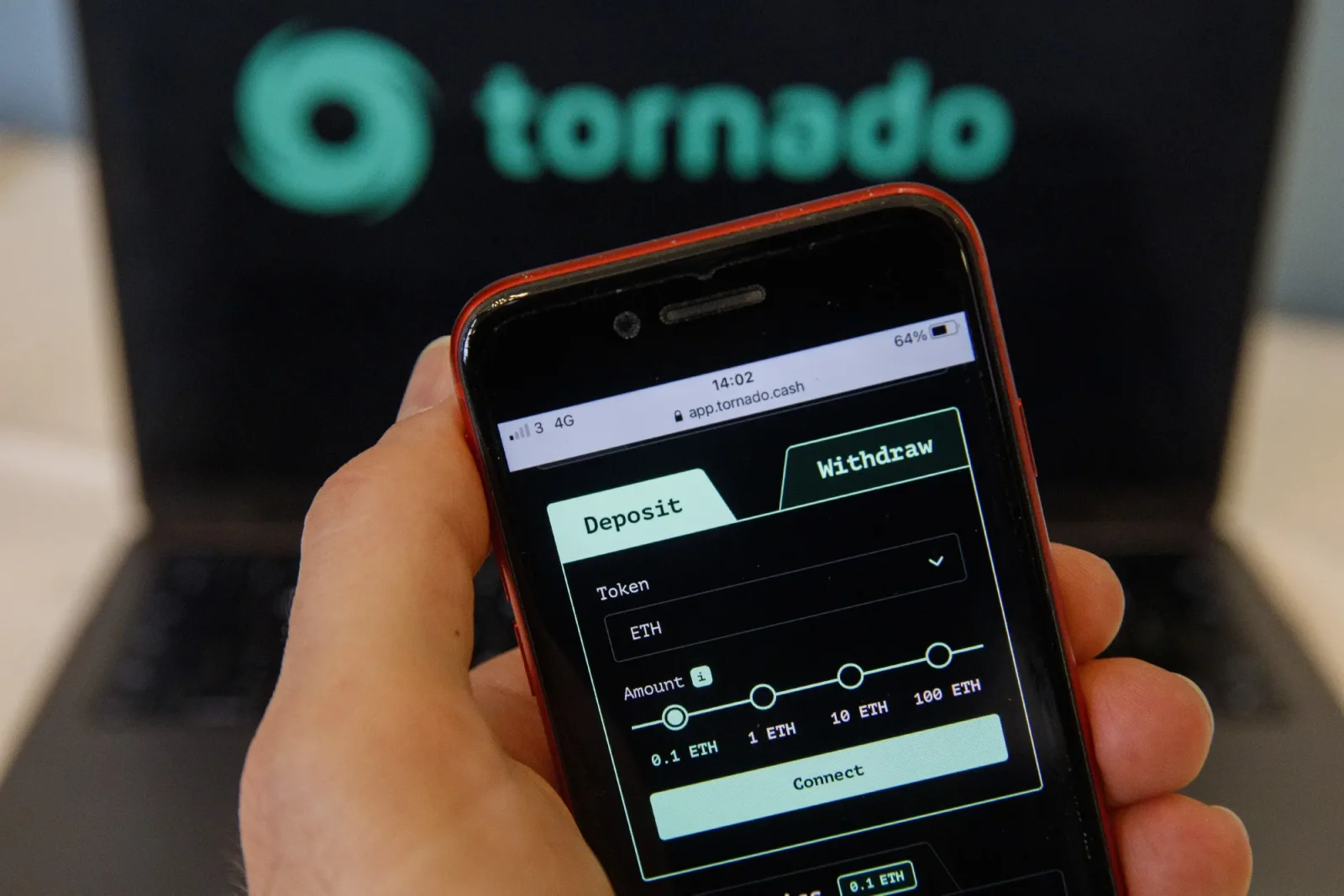
The US Treasury Department has withdrawn its appeal in the sanctions case against Ethereum-based privacy tool Tornado Cash. This development is considered a significant turning point for the future of the platform, while Tornado Cash’s local asset TORN also gained around 5 percent in value following the news. However, the platform’s future is still full of uncertainties: Tornado Cash co-founder Roman Storm’s criminal case is ongoing.Sanctions withdrawn, case droppedTornado Cash has been facing legal pressure for a long time. In 2022, the US Treasury Department’s Office of Foreign Assets Control (OFAC) blacklisted the protocol and linked it to North Korea-related cyberattacks. However, OFAC withdrew this decision in March 2025. Subsequently, the government and blockchain advocacy group Coin Center mutually applied to have the case dropped. This application was approved by the appeals court, and the case was officially closed.The main purpose of Coin Center was to prevent the government from imposing sanctions on decentralized software like Tornado Cash on similar grounds in the future. In this regard, the US courts have ruled in favor of Coin Center, limiting the state’s sanctions authority. According to Bloomberg Law, this decision not only lifts existing sanctions, but also prevents Tornado Cash from being targeted again on similar grounds.Roman Storm’s trial continuesThe criminal case against Roman Storm, one of Tornado Cash’s software developers, is still ongoing. The US Department of Justice accuses Storm of money laundering over $1 billion and collaborating with the North Korea-linked Lazarus Group. The trial in the case is set to begin in New York on July 14.Storm’s defense argues that Tornado Cash’s smart contracts operate outside of central control, meaning that developers have no direct influence over transactions. However, a similar argument was ruled invalid in the case of Alexey Pertsev, another Tornado Cash developer in the Netherlands, who was sentenced to 64 months in prison. US courts, on the other hand, are more open to evaluating software development within the scope of freedom of expression.Storm’s case will set a precedent for determining the legal liability of developers in decentralized finance protocols. If convicted on all charges, he could face up to 45 years in prison. The Ethereum Foundation provided $500,000 in defense costs for Storm.The US is shifting its crypto sanctionsWith the lifting of sanctions on Tornado Cash, the US Treasury and Justice Departments have also taken a new direction in crypto policies. The mere development of software is no longer considered sufficient to warrant sanctions or charges. The government says it will focus on direct criminal intent and actions.
Solana-Based Pump.fun Starts PUMP Token Sale on July 12
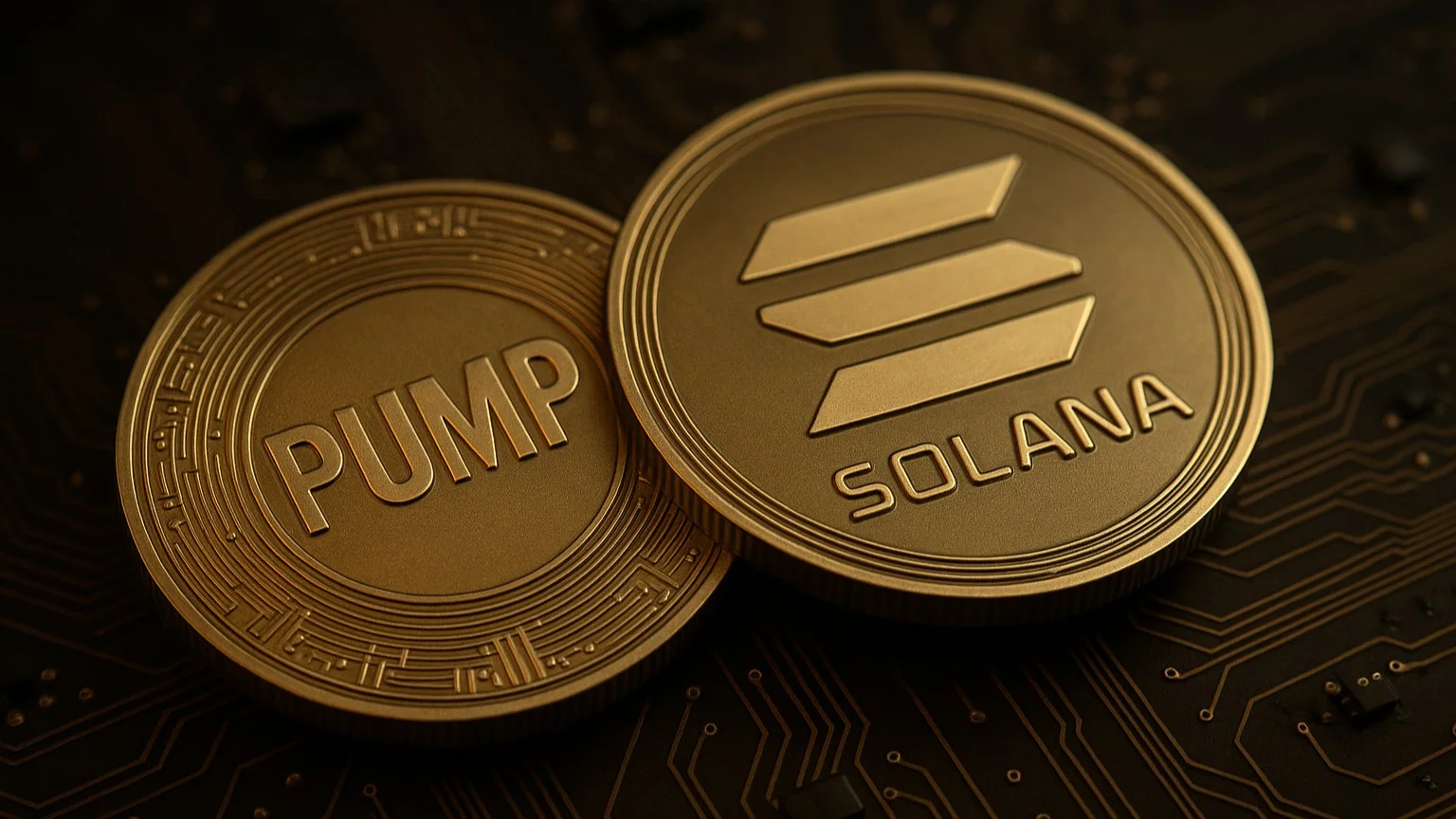
Popular Solana-based meme coin platform Pump.fun is preparing for a major public sale for its native asset, the PUMP token. The sale, which is set to begin on July 12, will feature 150 billion PUMP tokens, equivalent to 15% of the total supply, being offered to investors.Each PUMP token will be offered for sale at a price tag of 0.04 USDT. The sales model will be “first come, first served”. In other words, only a minimum investment amount will be required for participants, with no upper limit set.$4 billion valuation expectedPump.fun is expected to raise around $600 million from the token sale. This figure coincides with the project’s previously announced $4 billion valuation target. The platform’s development team is also planning a revenue sharing mechanism specific to the PUMP token. Pump.fun representatives have yet to make a public statement on the matter. However, the news quickly spread in the crypto community after it was announced on social media by user @zoomerfied on X (formerly Twitter).The most successful “meme coin factory” on SolanaPump.fun has become one of the most active and effective meme coin production platforms on Solana since it was launched in early 2024. The system, which allows users to create their own tokens free of charge and effortlessly, has enabled the release of millions of tokens in a short time. While it is stated that the platform earned $ 7 million per day on January 23, 2025, when it peaked, it is stated that the current figures are still around $ 1 million per day. Pump.fun, which has earned a total income of over $ 700 million, stands out as one of the most successful projects in the crypto sector in this respect.Thanks to the zero reserve, zero tax and open price curve model offered by the platform, it provides great convenience for individual creators who want to step into the world of meme coins. This approach both increases accessibility and paves the way for fair competition in the market.Gate.io page suddenly removedIn the meantime, there was an interesting development regarding the subject. Pump.fun’s PUMP token sale was announced on Gate.io, but the sale page was recently quietly removed, replaced with a “404 – Page Not Found” warning. Gate.io support team stated that this was the result of discussions with the project and that it is not yet clear whether the page will be reopened. However, it seems that the plans for the sale are still in place. Before it was removed, there was a countdown for PUMP on the Gate.io page. All eyes are now on July 12.
XRP Comments and Price Analysis July 7, 2025
XRP Technical AnalysisThe recent situation of the legal process between SEC and Ripple makes XRP investors focus on technical levels. This silent period could come to an end when the price of the coin breaks the symmetrical triangle pattern within which it has been trading for a long time. XRP Narrowing Triangle Formation Looking at the daily chart of XRP, it is clear that the coin has been squeezed within a narrowing triangle formation for almost six months and the price has now tested the upper boundary of this triangle. We can say that a possible breakout at this contact zone is of great importance in terms of determining the next step of the coin. If the price can hold above 2.34 and see a daily closing, then this price momentum could continue. However, XRP may retreat to the lower boundary of the triangle formation again if this possible breakout is not backed up by high buy volume.Support and Resistance LevelsSupport Levels:2.2174$ – Moving Average 502.1114$ – Moving Average 200Resistance Levels:2.3412$ – short-term major horizontal resistance2.9088$ – triangle pattern target and previous major highAlso, XRP price is now holding above MA 50 and MA 200 and this is good news for the future. These two moving averages served as strong support/resistance, especially during May and June.These analyses, not offering any kind of investment advice, focus on support and resistance levels considered to offer trading opportunities in the short and medium term according to the market conditions. However, the user is responsible for their own actions and risk management. Moreover, it is highly recommended to use stop loss (SL) during the transactions.