News
Regulation News
Regulation News
Browse all Regulation related articles and news. The latest news, analysis, and insights on Regulation.
Why SEC’s April 25 Meeting Is a Turning Point for Crypto
Cryptocurrencies are fundamentally changing the traditional financial system, but regulators are not keeping up. At this point, the U.S. Securities and Exchange Commission (SEC) has taken action. The SEC has begun a series of critical meetings to clarify regulations regarding digital assets.The first meeting took place on April 11. However, the second meeting is the most important one: the meeting to be held on April 25, 2025 (Today). The main agenda of this meeting is how and where crypto assets will be stored.Crypto Storage on the TableThis meeting, organized as part of the SEC's "Crypto Clarity Spring Offensive" project, will last approximately four hours. At the event, big names in the financial sector, government officials and legal experts will come together to exchange ideas on "crypto storage," one of the biggest problems in the sector.Who is on the Panels?The meeting focuses on two fundamental questions regarding crypto custody:1. Crypto Custody with Broker-DealersThis panel will feature industry figures such as Jason Allegrante from Fireblocks, Rachel Anderika from Anchorage Digital Bank, Terrence Dempsey from FidelityDigital Assets, and Mark Greenberg from Kraken. The legal and practical aspects of custodying crypto assets with the broker-dealer model will be discussed.2. Custody Obligations of Investment AdvisorsThe other panel will address the issue from a more legal perspective. Legal experts such as Justin Browder from Simpson Thacher & Bartlett, Neel Maitra from Dechert, Ryan Louvar from WisdomTree, and Adam Levitin from Georgetown University will speak here. In particular, the incompatibility of current rules with the crypto world will be discussed.Top Names OpenOne of the details that makes the meeting important is the participation of SEC Chairman Paul Atkins in person.Chairman Atkins will be joined by Crypto Task Force Chief Richard Gabbert and SEC Commissioners Hester Peirce, Caroline Crenshaw and Mark Uyeda.Atkins’ participation is considered the biggest indicator that the SEC is taking this issue seriously.Why is this meeting so critical?The SEC’s traditional rules do not fit well with the decentralized and always-on crypto world. This meeting could be one of the first steps for new regulations that will address this incompatibility.It could form the basis for updating regulations.Sustainable solutions to custody issues will be discussed.Important signals will be given to understand the SEC’s general approach.This meeting is more than a simple meeting for the crypto sector: It could determine the future of the sector.The SEC’s Impact So FarThe SEC has issued both fines and regulatory guidance on crypto to date. However, the industry often criticizes the SEC’s stance as “first impose fines, then make rules.” These meetingspresent an important opportunity to change this approach.What’s Next?The roundtables will continue and the upcoming sessions will include:• May 12, 2025: Tokenization• June 6, 2025: DeFi (Decentralized Finance)These events will set the SEC’s roadmap for crypto regulation.SEC Prepares to Change the RulesThis meeting, which will take place today, will delve into one of the most critical issues in the crypto industry: custody.Chairman Atkins’ personal participation increases the importance of the meeting. Even if the rules do not change immediately after the meeting, it is certain that clear messages will be sent to the market. Therefore, everyone involved in the crypto world should closely follow this meeting and its results.
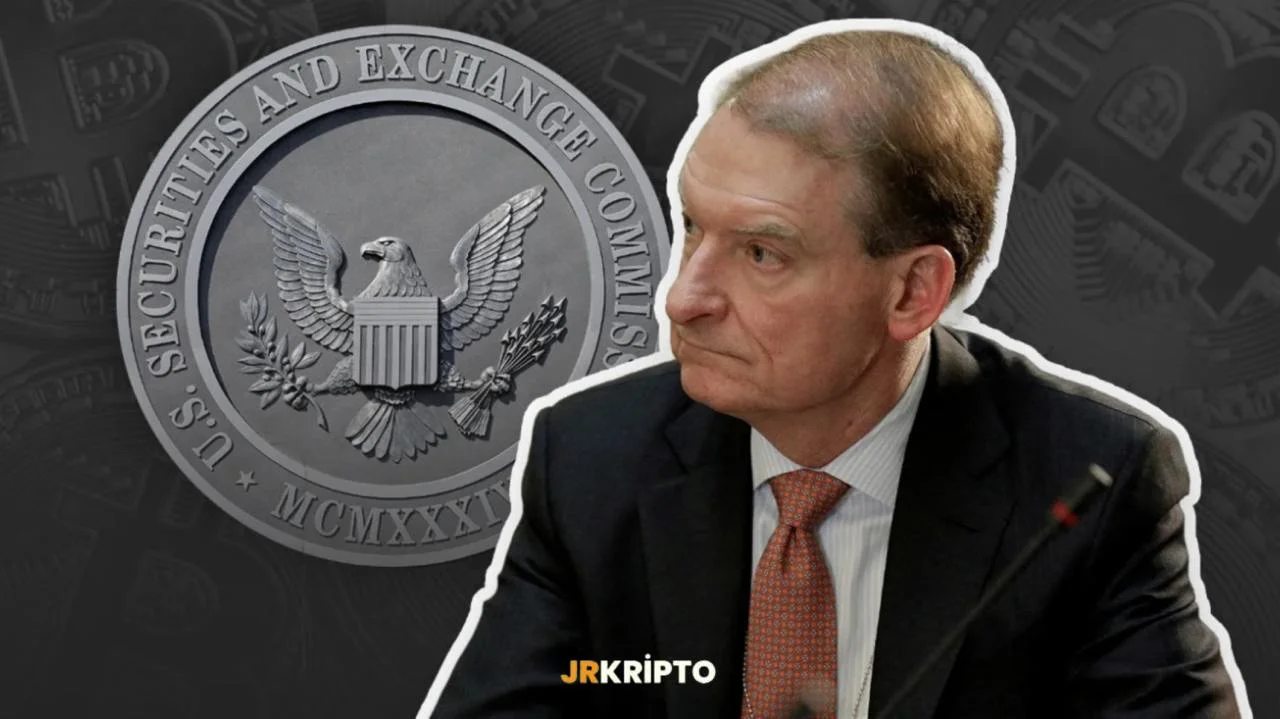
A New Page Is Opening in the Crypto World With the New SEC Chairman Paul Atkins
Paul Atkins, who sits in the chair of the US Securities and Exchange Commission (SEC), is seen asa promising name for the crypto sector. Atkins, who is expected to provide the regulatory claritythat the market has been waiting for for a long time, is known for his proximity to the free market inhis previous positions. Investors and industry representatives welcome him as an open andconsistent regulator for innovation.There is a strong expectation that the SEC will establish more transparent and understandable rulesduring the Atkins era.Who is Paul Atkins?Paul Atkins previously served as Dec Commissioner from 2002 to 2008. Known for his market-friendly approach during his tenure, Atkins supported simple regulations by avoiding unnecessaryconfusion. April 21, 2025 Atkins, who started his job as of April, was nominated by PresidentTrump and as soon as he started his job, Deciphered the crypto money regulations among thepriority issues.Spot ETF Applications are an Important Agenda ItemSince Atkins took office, one of the hottest topics on the SEC's agenda has been spot ETFapplications. There are 72 crypto-based spot ETF applications currently being evaluated by theSEC. Among these applications are powerful altcoin projects such as XRP, Solana, Dog Decoin,Cardano, BNB and Chainlink, as well as thematic coins such as Trump and Melania.This wide range shows that the crypto market is now attracting serious institutional interest not onlyin large projects, but also in community-based and thematic projects.What is Expected in Crypto Regulations?Given Atkins' background, it is thought that he will not be harsh towards the crypto market, but onthe contrary, he will take a more logical and constructive approach. The general expectations in themarket are as follows:Clear, understandable and long-term applicable regulatory rules.Regulations that do not hinder innovation and development while protecting investors.An approach that encourages corporate investment but also takes care of the individual investor.This situation will have a positive impact not only on regulations, but also on market psychology.The reduction of uncertainties and the formation of an environment of trust may lead to positivemovements in the prices of crypto assets.A New and Positive Era in CryptoPaul Atkins' SEC chairmanship is not just a name change in the crypto world; it heralds a muchbroader transformation. It seems possible that we will see clearer rules, increased investorconfidence and a growing market in the new period.
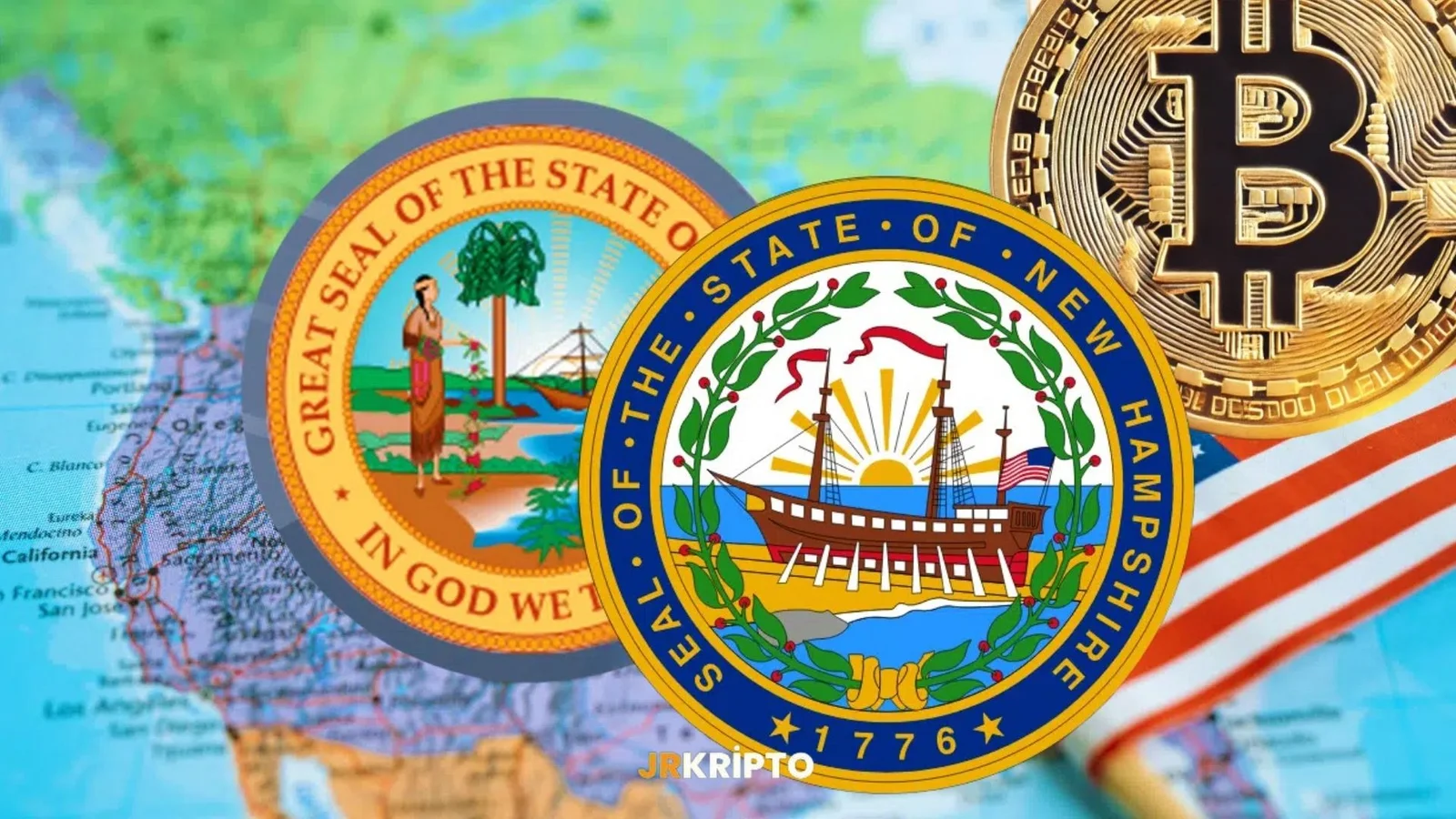
A Step Forward in the New Hampshire Bitcoin Reserve Law: Digital Transformation Is Accelerating
New Hampshire Poised to Make History with Bitcoin Reserve BillThe small but ambitious state of New Hampshire is preparing to make a historic move in the crypto world. On April 23, 2025, the Senate’s Ways and Means Committee voted overwhelmingly—4 to 1—to approve the Bitcoin Reserve Bill (HB302).What Does HB302 Propose?The bill would allow up to 10% of New Hampshire’s general fund to be invested in digital assets and precious metals.However, the criteria for eligible digital assets are strict: the asset must have a market capitalization exceeding $500 billion — a benchmark that, as of today, only Bitcoin meets.How the Process Is UnfoldingJanuary 2025: Bill introduced to the House of RepresentativesMarch 2025: Passed the House by a 192-179 voteApril 2025: Approved by Senate committee with a 4-1 voteNext Steps: Awaiting a full Senate vote, followed by the governor’s signature to become lawIf successful, New Hampshire would become one of the first states to officially adopt Bitcoin as a reserve asset.What Are the Key Points of Debate?Supporters argue that Bitcoin’s limited supply offers superior protection and long-term returns compared to traditional assets.Critics counter that the state treasury already has the authority to invest in digital assets, making this bill redundant. They also highlight Bitcoin’s volatility as a potential risk for public funds.New Hampshire’s Digital Vision Extends Beyond HB302The state isn’t stopping with Bitcoin reserves. Other legislative efforts underway include:HB639: Establishing blockchain-based dispute resolution mechanisms and regulatory frameworksHB310: Regulating the tokenization of real-world assets and the use of stablecoinsNew Hampshire is clearly positioning itself as an active player in the digital finance revolution.Growing Competition: Arizona Makes Its MoveNew Hampshire’s initiative is inspiring other states to act. Arizona, for instance, is now working on its own Bitcoin reserve strategy.Competition in the digital asset space is no longer just among companies — it's heating up between states as well.A Strategic Turning PointIf HB302 becomes law, New Hampshire will not only cement its status as a pioneer among states but also send a powerful message about embracing technological and financial innovation.Integrating digital assets into public finance signals a major shift with economic, technological, and political implications.The crypto world—and the broader financial industry—is watching these developments closely.Frequently Asked Questions (FAQ)What exactly does HB302 cover?It allows up to 10% of state funds to be invested in precious metals and digital assets with a market capitalization above $500 billion—currently, only Bitcoin qualifies.Where does the bill currently stand?It has passed the Senate committee and is awaiting a full Senate vote, after which it will require the governor’s approval.Are other states pursuing Bitcoin reserve strategies?Yes. Arizona is also developing its own Bitcoin reserve plan, though no official legislation has passed yet.Could other cryptocurrencies be included in the future?Under current guidelines, only digital assets with a market cap over $500 billion are eligible. At present, that’s Bitcoin alone.Why is this bill significant?HB302 showcases New Hampshire’s vision for adapting to the digital economy and demonstrates its commitment to innovation by modernizing the state’s financial infrastructure.
A Big Partnership from the Financial Giants: The Twenty One Capital Era Begins For Bitcoin
Major Shake-Up in Crypto Markets: Cantor Fitzgerald, SoftBank, Tether, and Bitfinex Launch Twenty One CapitalA groundbreaking development is unfolding in the crypto space. Leading financial giants Cantor Fitzgerald, SoftBank, Tether, and Bitfinex are joining forces to launch a new Bitcoin investment company called Twenty One Capital. Backed by a massive $3.6 billion in capital, this initiative aims to reshape the institutional Bitcoin landscape.Twenty One Capital will merge with Cantor Equity Partners (CEP) and will be publicly listed on the NASDAQ under the ticker symbol "XXI".Investors and Capital StructureThe initial capital backing this powerhouse venture is distributed as follows:Tether: $1.5 billion in Bitcoin reservesSoftBank: $900 million investmentBitfinex: $600 million in financial backingAdditional Resources: $385 million from convertible bonds and a $200 million private equity raiseWith this structure, Twenty One Capital will debut with reserves of 42,000 Bitcoins, making it the world’s third-largest institutional Bitcoin holder right out of the gate.Familiar Face at the Helm: Jack MallersJack Mallers, the renowned founder of Strike, will serve as CEO of Twenty One Capital. Under Mallers' leadership, the company will be evaluated not by traditional financial metrics, but by Bitcoin-centric indicators such as Bitcoin Per Share (BPS) and Bitcoin Return Rate (BRR).A New Strategy: Bringing Bitcoin to the Institutional WorldTwenty One Capital's core mission is to accelerate Bitcoin’s adoption in the institutional investment space.The firm aims to offer investors a regulated environment for direct Bitcoin exposure and plans to develop a range of Bitcoin-based financial products.Their strategic model is inspired by MicroStrategy’s highly successful Bitcoin-focused approach.Market Reaction: A Massive RallyFollowing the announcement, Cantor Equity Partners' stock price skyrocketed by 197%, reflecting the growing appetite for institutional Bitcoin investments and the increasing convergence of traditional finance and crypto markets.The resurgence of crypto-friendly policies during Donald Trump’s new term is also providing a supportive backdrop for such initiatives.Cantor Fitzgerald’s Established Position in CryptoCantor Fitzgerald is no stranger to the crypto sector. Since 2021, the firm has been managing $134 billion in Tether’s reserves and holds a 5% stake in Tether.This deep-rooted experience gives Twenty One Capital a significant edge as it embarks on this bold new journey.A New Chapter for BitcoinThe collaboration between industry heavyweights Cantor Fitzgerald, SoftBank, Tether, and Bitfinex goes beyond just another financial investment—it represents a pivotal moment in Bitcoin’s journey toward permanent integration into institutional portfolios.All eyes are now on Twenty One Capital's performance on NASDAQ.This new venture could mark a major turning point for Bitcoin and the broader crypto ecosystem.
Big Move from 21Shares: ASUI Launch and ETF Application For Sui Blockchain
21Shares Launches Sui Staking ETP (ASUI) and Files for SUI-Based ETF in the U.S.As institutional interest in crypto markets continues to surge, 21Shares has made a bold move by unveiling its latest product: the 21Shares Sui Staking ETP (ASUI), built on the Sui blockchain. Simultaneously, the company has filed for a SUI-based ETF in the United States, aiming to open the door for greater institutional investment in the Sui ecosystem.What Is ASUI and What Does It Offer?The newly launched ASUI allows investors to directly benefit from the performance of the Sui blockchain while earning staking rewards. Designed as an attractive alternative for investors hesitant to dive directly into crypto, ASUI simplifies exposure to blockchain returns without the technical complexities.Key features of ASUI include:Physically-backed structure: ASUI is fully backed by actual SUI tokens.Institutional-grade security: Assets are securely custodied by Coinbase Custody.Seamless staking: Investors earn staking rewards without dealing with technical setups.Regulated and transparent: Traded on major exchanges, making it easily accessible.Filing for a SUI-Based ETF in the U.S.: A Major Institutional StepHot on the heels of the ASUI launch, 21Shares has officially filed for a SUI-based ETF in Delaware.ETFs offer investors the ability to gain exposure to crypto assets without directly purchasing or managing them, presenting several key advantages:Easy access: Tradeable through traditional brokerage accounts.Regulatory protection: Backed by better legal safeguards compared to direct crypto investments.High liquidity: Easy buy and sell options on public exchanges.No custody risks: Investors avoid managing private keys or wallet security.While the filing has been submitted in Delaware, the ETF must still receive approval from the SEC—a process that is often lengthy and complex, with no guaranteed outcome or timeline.Why the Sui Blockchain Is Gaining AttentionThe Sui blockchain has recently been making waves due to its high transaction speed, low latency, and excellent scalability.Developed by Mysten Labs, a team of former Meta engineers, Sui offers a robust infrastructure ideal for decentralized applications.Its flexibility enables use cases across a wide range of sectors, including gaming, NFT platforms, DeFi applications, and even social networks.SUI, the network’s native token, plays a vital role in staking, transaction fees, and governance activities within the ecosystem.The Importance of Institutional Investment for SuiThe introduction of ASUI and the filing for a SUI-based ETF could mark the beginning of a new era for the Sui blockchain.Opening secure and institutional-grade investment channels could significantly boost liquidity, price stability, and global recognition, while enhancing investor confidence.If the ETF gains regulatory approval, Sui could quickly rise as a key focus area within the financial markets, positioning itself at the forefront of blockchain innovation.

Trump's Clear Message to the Fed: "Lower Interest Rates, Ease the Economy"
US President Donald Trump has called for interest rate cuts again to accelerate economic growth. Describing Fed Chairman Jerome Powell as a "big loser," Trump argued that if interest rates are not cut immediately, the economy could slow down. According to Trump, now is the time for quantitative easing.What is Trump Saying?Trump lashed out at Fed Chairman Powell in his latest statement with very harsh terms. Reminding us that the European Central Bank has cut interest rates seven times this year, he claimed that the US is lagging behind. Trump, who particularly implies that interest rate moves made during election periods have political purposes, has the following prominent messages:Things are going well in customs negotiations.The US will make a lot of money from this process.Inflation is under control and is almost at zero.Interest rate cuts have now become inevitable.How Will Quantitative Easing Affect the Market?Trump's call for a rate cut actually sends a clear signal to the markets: Quantitative easing. Such policies usually mean more liquidity in the markets. As a result:It may create effects such asUpward movements in stock markets,Increase in demand for risky assets,A new wave of rise in cryptocurrencies. This call, especially made at a time when the US is entering an election atmosphere, may signal an early bull period to the markets.Will the Fed Respond to Trump's Call?The Fed, chaired by Jerome Powell, has been taking cautious and careful steps recently. However, with the permanent decline in inflation and signals of a possible slowdown in economic growth, it may open the door to interest rate cuts. These statements by Trump will increase public pressure on the Fed.Is It the Beginning of a New Era for the Markets?Trump's interest rate cut request means much more than a political statement. The desire for monetary expansion behind this call may bring a positive atmosphere to the markets. However, the response the Fed will give will be the most critical factor in determining how financial markets will shape in the coming period.